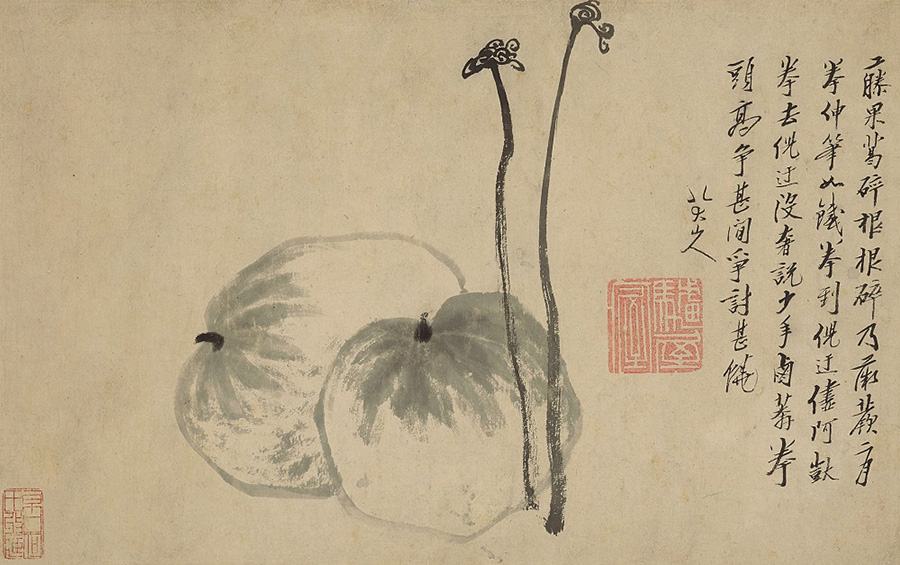
Zhu Da
Introduction
Zhu Da, also known by his sobriquet Bada Shanren, was a distinguished Chinese painter and calligrapher renowned for his spontaneous ink paintings. Born around 1624 in Nanchang, Jiangxi province, Zhu Da was a descendant of the Ming Dynasty(1368-1644)'s imperial family. His life and art were profoundly impacted by the fall of the Ming Dynasty. After the empire's collapse, Zhu Da became a Buddhist monk, adopting the name Bada Shanren. Later in life, he embraced Taoism, which influenced his artistic style and subject matter. Zhu Da's works are celebrated for their emotive expression and innovative use of ink to convey living creatures and expansive landscapes. His contribution to Chinese art extends beyond his creations, influencing subsequent generations of artists and art enthusiasts.
Early Life
Zhu Da initially joined a Buddhist monastery, marking the beginning of a transformative phase in his life. The religious and philosophical teachings he encountered as a monk deeply influenced his worldview and artistic approach. This period of introspection and spiritual exploration provided a foundation for his later works, which often feature themes of nature, solitude, and inner peace. Despite the turbulent beginnings, Zhu Da's early life set the stage for his emergence as a pivotal figure in Chinese art.
Artistic Career
Zhu Da's artistic career is marked by his mastery of traditional Chinese ink and wash painting techniques. His works are notable for their dynamic brushwork and profound thematic depth, reflecting his philosophical insights and emotional states.
Key Influences
Zhu Da's art was significantly influenced by the philosophical and spiritual ideologies he encountered throughout his life. His initial exposure to Buddhist teachings introduced elements of tranquility and introspection in his work. These beliefs shaped his approach to painting, where he sought to capture the essence of his subjects rather than their physical form. Zhu Da's encounters with fellow artists and monks, such as Shitao, further enriched his artistic repertoire, allowing him to explore new styles and techniques.
Notable Works
Among Zhu Da's notable works are his ink paintings that depict birds, flowers, and landscapes. These pieces are characterized by their minimalist yet expressive style, often using sparse brushstrokes to convey a sense of vitality and movement. His ability to evoke complex emotions through simple compositions is a hallmark of his artistic genius. Zhu Da's legacy includes an impressive array of paintings that continue to inspire contemporary artists and captivate audiences worldwide.
Style and Technique
Zhu Da is revered for his distinctive style that blends traditional Chinese painting techniques with innovative approaches. His use of ink is both fluid and controlled, allowing for the spontaneous expression of his subjects' spirits. Zhu Da's paintings often exhibit a minimalist aesthetic, where the strategic use of negative space enhances the impact of his brushwork. This technique not only reflects his mastery of traditional Chinese art forms but also his philosophical leanings towards simplicity and essence. His works exemplify the ethos of capturing the 'qi' or life force of his subjects, a pursuit that has cemented his status as a master of Chinese ink painting.
Legacy
Zhu Da's legacy endures through his significant contributions to Chinese art and culture. His paintings have left a lasting impression on the world of art, influencing generations of artists and scholars. The Bada Shanren Memorial, located in Nanchang, stands as a testament to his enduring influence and artistic achievements. Established in 1959, the memorial serves as a cultural landmark, preserving and celebrating Zhu Da's work and his impact on Chinese art. It offers visitors an opportunity to engage with his artistic legacy through exhibitions and educational programs. Zhu Da's innovative techniques and philosophical depth continue to inspire and guide artists, ensuring his place in the annals of art history.








